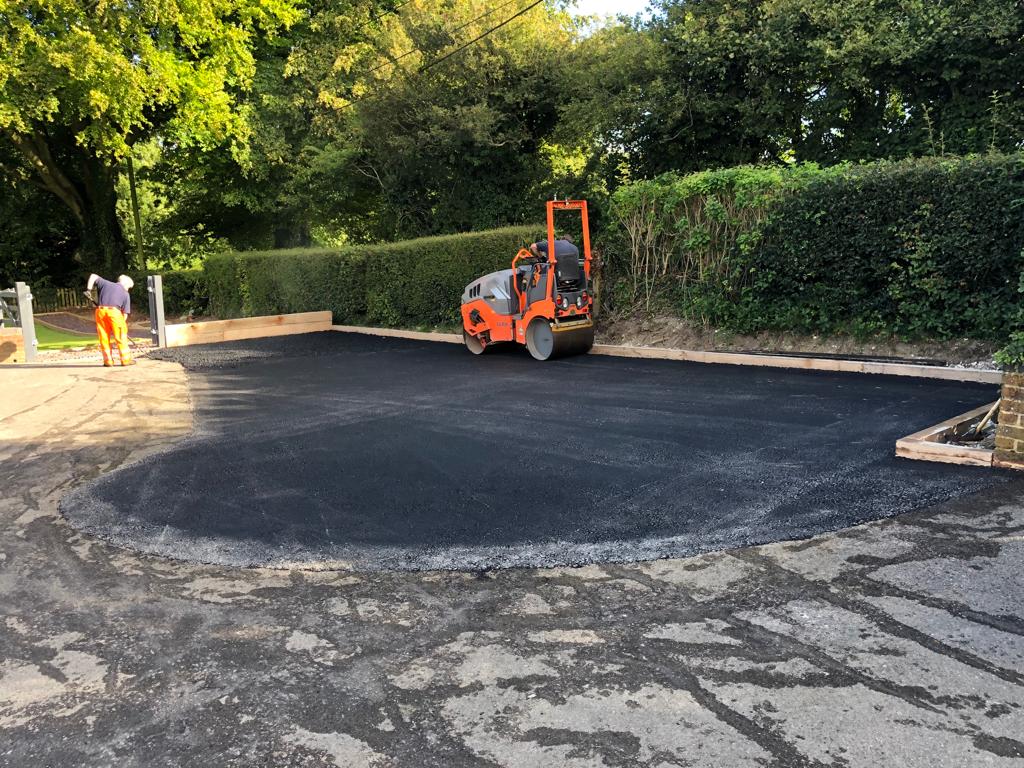
The quality of a road is determined by much more than the asphalt or bitumen visible at the surface. Long before the final surfacing material is applied, the pavement needs to be shaped correctly so that it can support traffic, manage water and maintain consistent levels. This process is known as grading, and it can have a significant influence on how well a road performs over time.
For property owners and businesses in Lithgow, NSW, correct road grading can help prevent many common pavement problems, including standing water, potholes, erosion and uneven surface deterioration. At Lithgow Road Tek, grading is treated as an important part of preparing and maintaining asphalt and bitumen surfaces rather than simply a way of making a road look level.
What Does Road Grading Actually Do?
Road grading involves shaping the pavement and its supporting layers to establish the required profile, levels and falls. The aim is not necessarily to create a perfectly flat surface. Instead, the road needs to be shaped so it performs correctly for its intended use.
Depending on the condition of the site, grading can help:
- Correct uneven sections
- Establish appropriate surface falls
- Direct rainfall away from traffic areas
- Prepare the pavement base for surfacing
- Remove or reshape developing depressions
- Create a more consistent foundation
Getting these fundamentals right provides a stronger starting point for the asphalt or bitumen surface above.
Good Grading Helps Water Leave the Road
One of the most important purposes of grading is drainage. Water should be encouraged to move away from the pavement rather than remain in wheel paths, depressions or low sections.
When a road is shaped correctly, rainfall can flow towards appropriate drainage areas instead of sitting on the pavement.
Why Is Standing Water a Problem?
Water remaining on a road can gradually find its way into cracks, damaged edges and other vulnerable areas.
Once moisture reaches the supporting pavement layers, it can contribute to loss of stability. Traffic travelling over these weakened areas then places additional stress on the surface.
Over time, poor drainage can contribute to:
- Pothole formation
- Surface cracking
- Localised sinking
- Rutting
- Edge deterioration
- Weakening of the pavement base
Correct grading helps reduce these risks by dealing with water before it has an opportunity to remain on vulnerable sections.
Grading Supports a More Stable Road Base
The finished asphalt or bitumen surface relies on the layers underneath it for structural support. If those layers are uneven or poorly shaped, the surface may experience inconsistent support.
Professional grading creates more uniform levels before compaction and surfacing take place.
This helps vehicle loads transfer more consistently through the pavement structure and can reduce areas of concentrated stress.
Compaction and Grading Need to Work Together
Grading alone cannot create a strong pavement. Once the correct profile has been established, the supporting materials need to be compacted appropriately.
These two processes work together:
- Grading establishes the required shape and levels.
- Compaction creates density and stability within the prepared material.
If either stage is inadequate, the pavement can be more susceptible to movement once regular traffic begins.
Correct Levels Help Prevent Low Spots
Low areas can develop where pavement materials have settled, moved or were not shaped correctly during construction.
These depressions create two problems. First, they can make the driving surface uneven. Second, they often become collection points for water.
A correctly graded pavement helps minimise these areas by establishing consistent levels before surfacing.
Why Do Low Spots Sometimes Return?
If a depression returns after being levelled, the problem may extend below the visible surface.
Recurring low spots can indicate:
- Weak supporting material
- Inadequate compaction
- Ongoing settlement
- Water affecting the pavement base
- Insufficient support for regular traffic
In these situations, repeatedly adding surface material may not resolve the underlying cause. The affected pavement should be assessed to determine why movement is continuing.
Grading Can Reduce Pothole Development
Potholes frequently develop where water and pavement weakness occur together. A crack or damaged section allows moisture to enter, the supporting material loses stability, and repeated traffic eventually causes the surface to break apart.
By improving drainage and maintaining the correct road profile, grading can help reduce conditions that encourage potholes to develop.
It is particularly important to investigate grading where potholes repeatedly occur in the same low or poorly drained areas.
Road Edges Also Need Proper Water Management
The centre of the road is not the only area affected by grading. Pavement edges need to be considered as part of the complete drainage profile.
If water is continually directed towards unsupported edges or cannot leave the road effectively, adjoining material can erode. This may reduce support along the pavement boundary and allow cracking or edge breakup to begin.
Correct grading helps control how water reaches and leaves these vulnerable areas.
Traffic Patterns Influence the Required Profile
Different roads experience different vehicle movements. Some may carry relatively straightforward traffic, while others have frequent turning, braking or heavier vehicles.
These patterns can influence where pavement stresses are concentrated.
Professional road preparation considers factors including:
- Expected vehicle types
- Traffic frequency
- Turning movements
- Road width
- Existing ground conditions
- Drainage requirements
The grading approach should reflect how the road will actually be used rather than applying the same profile to every site.
Grading Is Important Before Asphalt or Bitumen Resurfacing
Resurfacing an existing road can restore a worn pavement, but the condition and profile of the existing surface should be assessed first.
Installing a new layer over substantial depressions, drainage problems or unstable sections can allow those defects to affect the resurfaced pavement.
Before resurfacing, preparation may involve:
- Correcting low areas
- Repairing failed sections
- Restoring suitable surface levels
- Improving drainage
- Preparing pavement edges
- Regrading where necessary
This creates a more appropriate foundation for the new asphalt or bitumen surface.
Grading Is Also an Important Maintenance Tool
Grading is not only relevant during initial road construction. Depending on the pavement type and condition, it can also form part of ongoing road maintenance and preparation for future surfacing.
Changes in road profile should be monitored, particularly where there are signs of:
- Increasingly uneven sections
- Water pooling after rainfall
- Developing wheel-path depressions
- Edge erosion
- Repeated potholes
- Poor surface runoff
Addressing these warning signs before deterioration becomes widespread can help preserve more of the existing pavement.
Better Preparation Supports Better Long-Term Performance
The long-term performance of a road depends on the entire pavement structure working together. Asphalt and bitumen provide the finished driving surface, but their performance is influenced by the foundation, compaction, drainage and road profile underneath.
Correct grading contributes by establishing the shape required for both structural consistency and effective water movement.
At Lithgow Road Tek, we assess road grading and resurfacing projects in Lithgow, NSW, with attention to existing pavement condition, drainage, traffic requirements and the intended use of the surface. This allows preparation work to address the actual needs of the road before asphalt or bitumen surfacing is completed.
Conclusion
Correct grading matters for long-term road performance because it influences drainage, pavement stability, surface levels and the way the road responds to regular traffic. A road that has been poorly shaped can develop standing water, depressions, potholes and edge deterioration even when quality surfacing materials have been used.
Getting the levels and drainage profile right from the beginning provides asphalt and bitumen with a more stable foundation on which to perform. Grading can also be valuable when preparing an ageing road for resurfacing or addressing areas where drainage and pavement levels have deteriorated.
For property owners and businesses in Lithgow, NSW, Lithgow Road Tek provides professional grading, asphalt and bitumen resurfacing solutions based on the condition and requirements of each site. If your road has become uneven, holds water after rainfall or is developing recurring surface damage, contact our team to arrange an assessment and determine the appropriate preparation and surfacing solution.
Call us on: 02 5301 9087
Click here to find out more about Lithgow Road Tek
Click here to complete our contact form and see how we can help with your Asphalt and Bitumen Surfacing needs.