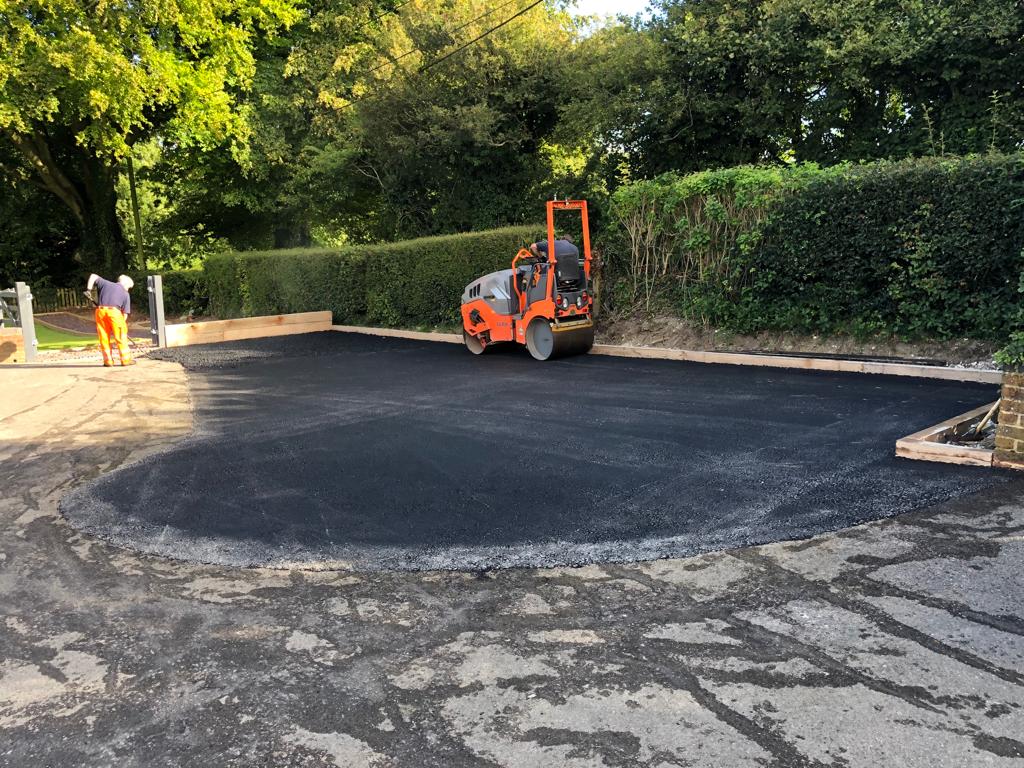
Potholes are one of the most common and disruptive surface problems affecting asphalt pavements. While repairing a pothole may appear straightforward, the long-term success of the repair depends on several critical factors. In Lithgow, where surfaces are exposed to traffic stress and changing weather conditions, understanding what makes pothole repairs succeed or fail is essential to maintaining durable, reliable pavements.
At Lithgow Road Tek, we approach pothole repairs as a structural issue rather than a simple surface fix.
The Importance of Identifying the Root Cause
A pothole is rarely the original problem. It is usually the result of deeper surface deterioration caused by moisture ingress, surface cracking, or base instability. Repairs that focus only on filling the visible hole often fail because the underlying issue remains unaddressed.
Successful pothole repairs begin with identifying why the pothole formed in the first place. This allows the repair method to target the true cause rather than just the symptom.
Proper Preparation Is Critical
One of the biggest reasons pothole repairs fail is poor preparation. Loose material, moisture, and unstable edges must be removed before any repair material is applied. If this step is rushed or skipped, the repair is unlikely to bond properly with the surrounding pavement.
In Lithgow, moisture trapped within the pothole area can significantly reduce the effectiveness of repairs. Thorough preparation ensures the repair has a clean, stable base to adhere to.
Material Selection and Application Method
Using the correct asphalt or bitumen material for the conditions plays a major role in repair success. The repair material must be suitable for the depth, size, and traffic demands of the affected area.
Equally important is how the material is placed and compacted. Poor compaction can leave voids within the repair, allowing water and air to enter and quickly break down the patch.
Addressing Moisture and Drainage Issues
Water is one of the leading causes of pothole failure. If drainage issues are not resolved, even a well-executed repair can deteriorate rapidly.
Successful pothole repairs consider how water moves across and beneath the surface. Improving surface drainage and sealing surrounding cracks helps prevent moisture from undermining the repaired area.
Timing and Surface Condition Matter
Attempting pothole repairs when the surrounding pavement is severely degraded can limit their effectiveness. In some cases, repeated potholes indicate that the pavement has reached a point where broader surface treatment is required.
Repairs succeed when they are carried out at the right stage of pavement wear, before widespread structural damage has occurred.
Why Temporary Fixes Often Fail
Quick, temporary repairs may restore usability in the short term, but they often fail because they do not integrate with the existing pavement structure. These fixes can break away under traffic stress, leading to repeated potholes in the same location.
Long-lasting repairs require a methodical approach that restores surface strength and continuity rather than simply filling a void.
Conclusion
Pothole repairs succeed when the root cause is identified, the area is properly prepared, suitable materials are used, and moisture issues are addressed. They fail when repairs are rushed, poorly compacted, or treated as isolated surface problems.
For property owners and operators in Lithgow, professional assessment is key to ensuring pothole repairs deliver lasting results. Lithgow Road Tek provides expert pothole repair services focused on structural integrity and long-term performance. If potholes are recurring on your surface, contact Lithgow Road Tek to discuss a practical, performance-driven approach to restoring and protecting your asphalt pavement.
Call us on: 02 5301 9087
Click here to find out more about Lithgow Road Tek
Click here to complete our contact form and see how we can help with your Asphalt and Bitumen Surfacing needs.