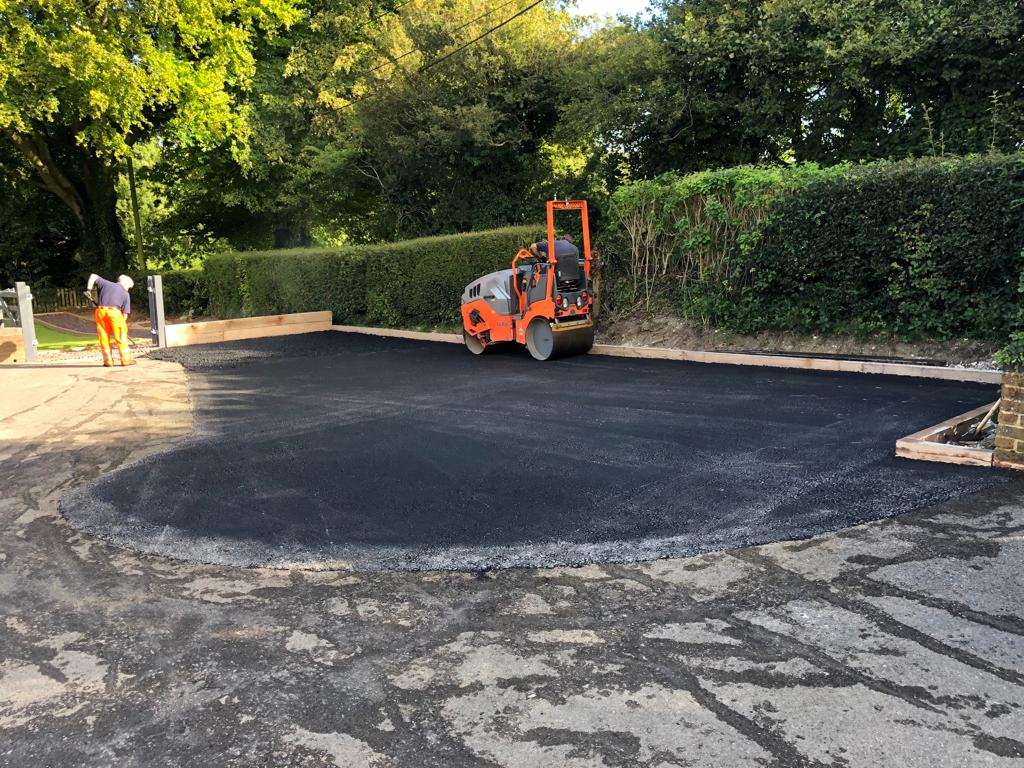
Road surfaces are constantly exposed to conditions that can gradually affect their strength, appearance and performance. Regular vehicle movements, rainfall, sunlight and changing temperatures all contribute to surface deterioration over time. Without a suitable protective wearing layer, these conditions can allow minor defects to develop into cracking, loose aggregate, potholes and more extensive pavement damage.
Spray & seal bitumen is a practical surfacing method designed to protect properly prepared roads against everyday traffic wear and environmental exposure. By combining a sprayed bituminous binder with a layer of aggregate, it creates a bonded wearing surface that helps protect the underlying pavement while providing a consistent texture for vehicle movements.
For property owners and businesses in Lithgow, NSW, understanding how spray & seal works can help determine when a road requires a new protective surface or when an existing bitumen treatment may benefit from renewal. At Lithgow Road Tek, we assess pavement conditions, drainage and traffic requirements to identify suitable asphalt and bitumen surfacing solutions.
How Does Spray & Seal Bitumen Protect a Road?
Spray & seal is a bituminous surface treatment applied over a properly prepared pavement.
The process involves spraying a controlled layer of bituminous binder onto the surface, distributing suitable aggregate and rolling the stones into the binder to establish a bond.
The completed treatment forms a protective wearing layer that receives direct contact from vehicle tyres.
Unlike asphalt, where the aggregate and binder are mixed together before installation, spray & seal forms its surface through separate applications of binder and aggregate.
Its protective benefits come from the way these materials work together.
The binder helps limit moisture penetration and retains the aggregate, while the stones provide a textured wearing surface that helps protect the pavement underneath from direct traffic wear.
However, spray & seal does not replace the structural support provided by the road base. The existing pavement must be stable and properly prepared for the treatment to perform effectively.
1. Protection Against Everyday Traffic Wear
Every vehicle travelling across a road places pressure on the pavement.
Repeated tyre movements, braking and turning gradually affect the surface, particularly where vehicles regularly follow the same wheel paths.
Without a suitable wearing layer, traffic can displace loose material and contribute to surface deterioration.
Spray & seal provides a bonded aggregate surface designed to receive this regular wear.
How Does the Aggregate Protect the Road?
The aggregate forms the uppermost wearing layer.
When correctly embedded into the bituminous binder, the stones provide a textured surface that separates vehicle tyres from the prepared pavement underneath.
This helps protect the underlying material from direct abrasion and repeated surface disturbance.
The effectiveness of the treatment depends on appropriate aggregate selection, binder application and rolling.
If aggregate becomes loose or is not properly bonded, traffic can gradually remove stones and expose sections of the surface below.
Professional installation is therefore essential for achieving consistent aggregate retention.
2. Protection Against Water Penetration
Water is one of the most important factors affecting pavement performance.
Rainfall can enter through cracks, potholes, damaged edges and other openings in a deteriorated road surface.
Once moisture reaches the supporting pavement layers, it can contribute to instability, particularly where the materials are sensitive to water.
Repeated traffic loading over weakened areas may then lead to movement, cracking and pothole formation.
How Does Spray & Seal Reduce Water Entry?
The bituminous binder creates a water-resistant treatment across the prepared pavement.
Combined with the aggregate, it helps limit rainfall penetrating directly through the renewed surface.
This can help protect the road base and reduce moisture-related deterioration where the pavement remains structurally sound.
However, the finished treatment is not a substitute for effective drainage.
Water can still enter through defects, damaged edges or sections that deteriorate over time.
For this reason, existing cracks, potholes and drainage problems should be assessed before sealing.
3. Protection Against Sunlight and Surface Weathering
Roads are continually exposed to sunlight and changing environmental conditions.
Over time, exposure can contribute to the ageing of bituminous materials.
As the binder ages, its properties gradually change, and the surface may become more vulnerable to cracking or aggregate loss.
A properly applied spray & seal treatment provides a renewed wearing layer that helps protect the underlying pavement from direct environmental exposure.
Why Is Aggregate Coverage Important?
The aggregate covers much of the bituminous binder and forms the exposed wearing surface.
This helps reduce direct exposure of the binder beneath the stones to sunlight and traffic.
However, the seal itself will still age over time.
Maintaining suitable aggregate coverage and renewing an ageing treatment when appropriate can help preserve the protective function of the road surface.
4. Protection During Rainfall and Changing Weather Conditions
Weather conditions can place different demands on a pavement throughout the year.
Rainfall increases moisture exposure, while temperature changes can cause materials to expand and contract.
In Lithgow, NSW, roads may experience periods of wet weather alongside changing seasonal temperatures.
A properly constructed pavement needs to accommodate these conditions while maintaining its intended performance.
Spray & seal provides a protective wearing treatment that can help reduce direct rainfall exposure and accommodate limited pavement movement.
Can Spray & Seal Prevent Weather-Related Cracking?
Spray & seal can help protect a stable pavement, but it cannot prevent every type of cracking.
Cracks caused by significant movement within the road base, settlement or structural weakness may continue developing beneath the treatment.
Likewise, a new seal cannot permanently bridge major existing cracks without suitable preparation.
The condition of the pavement underneath must be assessed before application.
5. Reducing Aggregate Loss from an Ageing Road
An existing sprayed bitumen road can gradually lose aggregate as its surface ages.
The bond between the binder and stones may weaken, allowing traffic to dislodge material.
This can create uneven surface texture and expose parts of the underlying treatment.
Where the pavement remains structurally stable, professional resealing can restore a fresh bonded aggregate wearing layer.
Signs That Aggregate Loss Is Becoming a Problem
Property owners should watch for:
- Increasing loose stones along road edges
- Bare patches within wheel paths
- Uneven aggregate coverage
- Exposed areas of binder
- Noticeable changes in surface texture
- Repeated stone loss after traffic
These conditions may indicate that the existing surface treatment is deteriorating.
A professional assessment can determine whether resealing is suitable or whether additional repairs are required.
6. Helping Preserve the Road Base
The road base is one of the most important components of a pavement.
It provides structural support and helps distribute vehicle loads into the underlying ground.
If the base becomes unstable, the finished surface may develop cracking, settlement or deformation.
Spray & seal helps protect a stable road base by providing a bonded wearing layer above it.
This reduces direct exposure to rainfall and traffic.
Why Does Base Stability Matter?
The protective treatment can only perform effectively when the supporting pavement is suitable.
If the base contains weak material, poor compaction or significant movement, applying a new seal may improve the appearance of the road without resolving the underlying problem.
Where structural defects are present, repairs or additional pavement preparation may be required before sealing.
7. Improving Surface Texture and Consistency
A deteriorated road can develop uneven surface characteristics.
Some areas may retain their original aggregate covering, while others become worn or lose stones.
This creates variations in texture and can affect how vehicles interact with the pavement.
Spray & seal introduces a fresh aggregate layer across the prepared surface.
When correctly applied, it can provide a more consistent textured finish.
Why Does Surface Texture Matter?
Aggregate texture contributes to tyre grip and the overall performance of the wearing surface.
The finished result depends on the type of aggregate, its distribution, the binder and the quality of installation.
A consistent surface is particularly important where vehicles regularly travel along the same routes.
However, spray & seal follows the general shape of the pavement underneath and does not automatically correct uneven road levels.
8. Helping Extend the Service Life of Existing Roads
A weathered bitumen road does not always need complete reconstruction.
In many cases, the supporting pavement remains stable even though the wearing surface has deteriorated.
Where the road is suitable, spray & seal resealing can renew its protective layer and help preserve the existing pavement.
This approach focuses on maintaining a structurally sound road before surface deterioration progresses into deeper damage.
When Is Resealing Appropriate?
An existing road may be suitable for resealing when:
- The supporting pavement remains stable
- General surface wear is evident
- Aggregate loss is becoming noticeable
- Existing defects can be repaired beforehand
- Drainage remains suitable
- Significant settlement is absent
- The road is appropriate for the proposed traffic conditions
The condition of the pavement should determine the treatment rather than its appearance alone.
Why Is Surface Preparation Essential Before Spray & Seal?
The quality of the finished treatment depends heavily on the preparation completed beforehand.
Spray & seal is relatively thin compared with a structural pavement layer. It is intended to provide surface protection rather than correct major weaknesses underneath.
Before sealing, the road should be assessed for defects that could affect the new treatment.
These may include potholes, cracking, rutting, settlement, loose material and damaged edges.
Repairing Existing Damage
Localised defects may need to be repaired before sealing.
If the supporting material has weakened, the affected section may require excavation, replacement material and compaction.
Correcting Road Levels
Where the pavement contains depressions or unsuitable drainage falls, grading or other preparation may be necessary.
A new seal should not simply be applied over low areas that repeatedly collect water.
Cleaning the Surface
Loose material and contamination can affect the bond between the binder and the prepared pavement.
Suitable cleaning and preparation help establish conditions for a consistent application.
How Does Professional Application Improve Surface Protection?
Spray & seal requires careful control throughout installation.
The binder must be applied at a rate appropriate to the selected treatment, aggregate and pavement conditions.
The aggregate then needs to be distributed evenly and rolled into the binder.
Each stage influences the finished surface.
Consistent Binder Application
Uneven binder coverage can affect aggregate retention and the performance of the seal.
Professional application aims to provide the required distribution across the pavement.
Suitable Aggregate Selection
Aggregate size and characteristics should be appropriate for the proposed treatment and expected traffic.
The selected stone contributes to surface texture and wearing performance.
Correct Rolling
Rolling helps embed the aggregate into the binder.
This is important for establishing the bond needed to retain the stones under traffic.
Managing the Newly Sealed Surface
A newly sealed road requires appropriate management during its initial establishment period.
This may include controlling vehicle movements and removing excess loose aggregate when suitable.
Proper installation helps the treatment perform as intended.
Can Spray & Seal Repair Potholes and Deep Cracks?
Spray & seal is not a replacement for structural pavement repairs.
If a road contains potholes, deep cracking or unstable sections, these defects should be assessed before a new surface treatment is applied.
Potholes
Potholes may require localised repair to restore the damaged pavement and supporting material.
Structural Cracking
Cracks caused by significant movement within the pavement may require deeper investigation and repair.
Deep Rutting
Rutting can indicate deformation within the asphalt, road base or underlying ground.
A new seal will generally follow the existing road profile unless suitable corrective work is completed beforehand.
The appropriate treatment depends on the cause and severity of the damage.
Spray & Seal or Asphalt Resurfacing: Which Provides Better Protection?
Both spray & seal and asphalt can provide durable pavement surfaces when properly designed and installed.
However, they serve different purposes.
Spray & seal creates a protective wearing layer using sprayed bituminous binder and aggregate.
Asphalt resurfacing involves placing and compacting a new asphalt mixture over a suitably prepared pavement.
Spray & seal may be appropriate where an existing road requires renewed surface protection and the underlying pavement remains stable.
Asphalt may be more suitable where the project requires a compacted asphalt layer designed for particular traffic conditions.
Neither treatment should be used to conceal significant structural weaknesses.
Professional assessment helps determine the appropriate approach.
How Can Property Owners Recognise When a Road Needs Attention?
Early maintenance can help prevent minor surface deterioration from developing into more substantial damage.
Warning signs include:
- Increasing aggregate loss
- Cracking across the surface
- Potholes beginning to develop
- Water collecting in depressions
- Worn wheel paths
- Crumbling pavement edges
- Uneven surface texture
- Previous repairs beginning to deteriorate
These symptoms should be considered together with the condition of the supporting pavement.
A road with general surface ageing may be suitable for resealing, while one experiencing structural movement may require deeper repairs.
Why Choose Professional Spray & Seal Surfacing in Lithgow?
The effectiveness of spray & seal depends on more than the materials applied to the road.
Proper preparation, drainage, binder selection, aggregate distribution and rolling all influence the finished result.
At Lithgow Road Tek, we assess spray & seal projects in Lithgow, NSW, with attention to existing pavement stability, traffic requirements and surface condition.
This helps determine whether the road is suitable for resealing or whether additional preparation and repairs are necessary.
Our approach focuses on providing practical asphalt and bitumen surfacing solutions that protect the pavement while supporting reliable vehicle access.
How Can You Maintain a Spray & Seal Road?
Although spray & seal provides a protective wearing surface, ongoing maintenance remains important.
Property owners should monitor the pavement for changes in aggregate retention, cracking, drainage and surface levels.
Small defects should be assessed before they develop into larger areas of deterioration.
Maintaining suitable drainage is particularly important because repeated moisture penetration can affect the supporting pavement.
Where the existing seal begins showing widespread wear, professional assessment can help determine whether resealing is appropriate.
Conclusion
Spray & seal bitumen protects roads against everyday wear, water penetration and weather exposure by creating a bonded aggregate wearing surface over a properly prepared pavement.
The bituminous binder helps reduce moisture entry, while the aggregate provides a textured layer that protects the underlying road from direct traffic wear. When applied to a structurally sound pavement, spray & seal can also help preserve an existing road and extend its useful service life.
However, successful surface protection depends on proper preparation. Potholes, structural cracking, unstable road bases and drainage problems should be addressed before a new treatment is applied.
For property owners and businesses in Lithgow, NSW, Lithgow Road Tek provides professional asphalt and bitumen surfacing, including spray & seal applications and pavement preparation suited to the condition of the existing road.
If your road is showing signs of surface wear, aggregate loss or weather-related deterioration, contact Lithgow Road Tek to arrange an assessment and discuss whether professional spray & seal surfacing is the right solution.
Call us on: 02 5301 9087
Click here to find out more about Lithgow Road Tek
Click here to complete our contact form and see how we can help with your Asphalt and Bitumen Surfacing needs.